
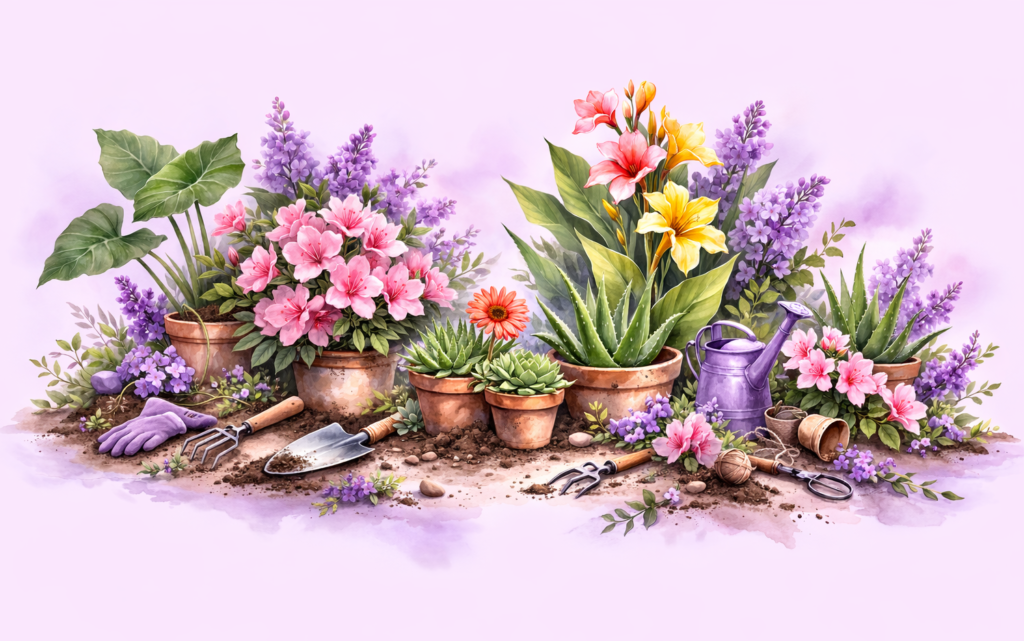

If you’re wondering what actually grows well in Texas right now, this guide breaks it down clearly.
If you came here from my video, this is your full plant breakdown. Everything I planted is included below with exactly how much sun each one needs, how often to water, and where it should go so it thrives, not just survives.
Gardening in Texas isn’t about picking random plants and hoping they make it through the heat. It comes down to choosing plants that match your current season, then placing them based on their light and water needs.
When you stop treating every plant the same and start matching them to the right conditions, everything becomes easier to maintain and your garden starts to actually fill in and grow the way it should.
This guide walks you through exactly what to plant right now and how to care for each one so you can build something that lasts.
Canna Lily
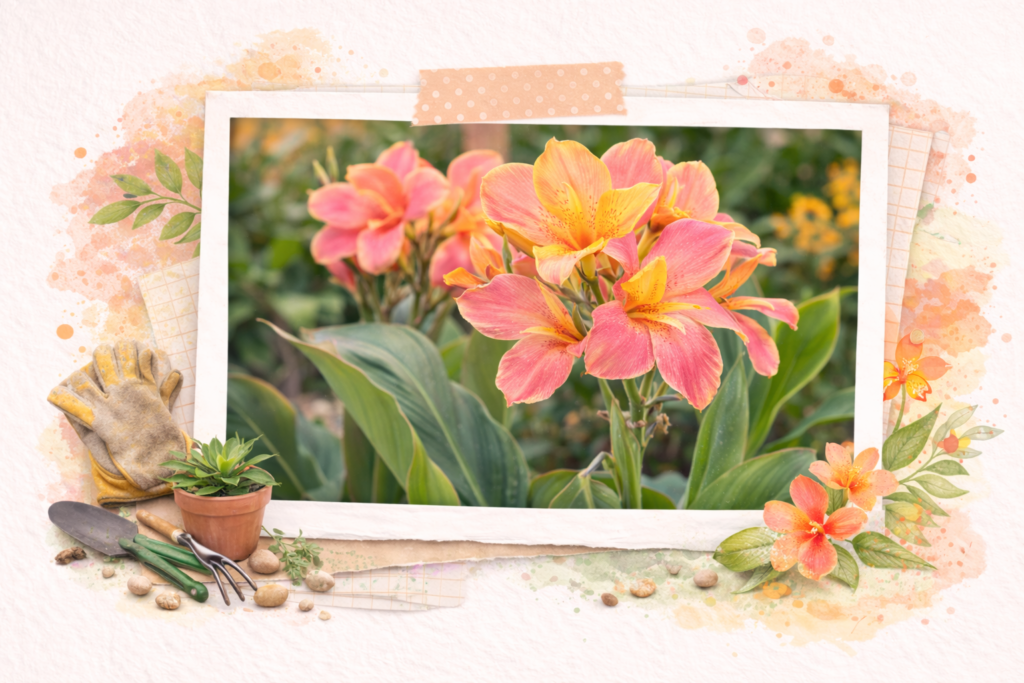
light: full sun (6 to 8+ hours, ideally morning through early afternoon)
water: high, prefers consistently moist soil
soil: rich, organic, moisture-retentive but draining
Canna lilies are one of the most reliable heat-tolerant plants when watered correctly. They bring height, movement, and a tropical feel to a garden bed.
care details:
• water deeply 2 to 4 times per week, increasing during peak summer heat
• incorporate compost into soil before planting
• remove spent blooms to encourage continued flowering
placement: back of beds, spaced to allow spreading
Gerbera Daisy
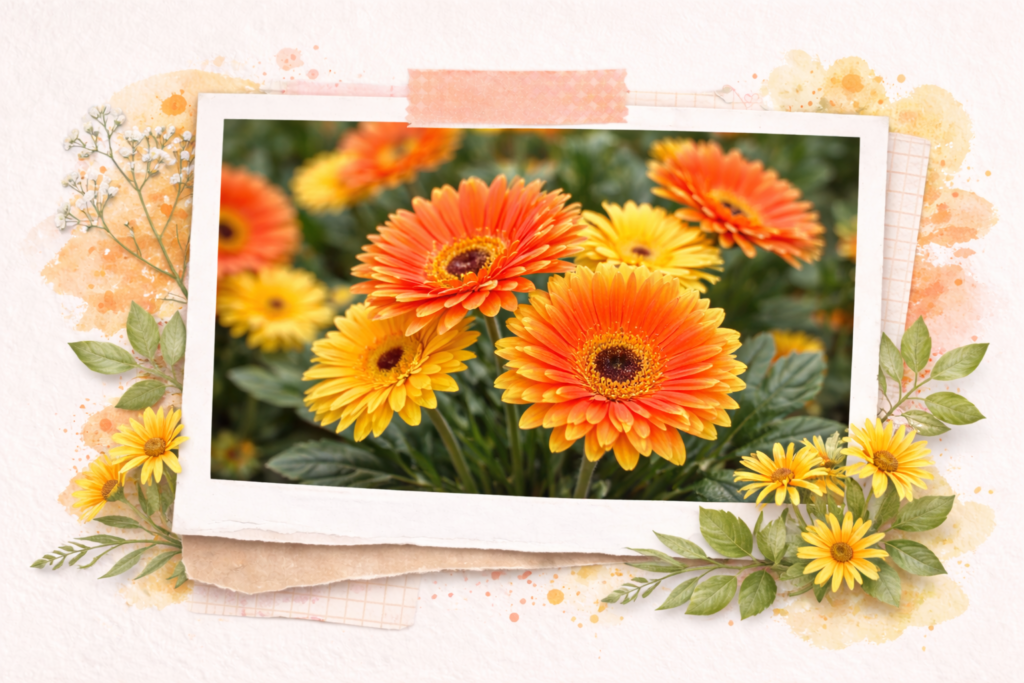
light: full sun to part sun (4 to 6 hours, best with morning sun exposure)
water: moderate, allow top 1 to 2 inches of soil to dry between watering
soil: well draining, light texture
Gerbera daisies provide bright, clean color but require more precision in care than they appear.
care details:
• water at the base only to prevent crown rot
• deadhead frequently to support continuous blooms
• avoid intense late afternoon sun in hot climates
placement: front or mid layer with airflow and filtered exposure
Elephant Ear
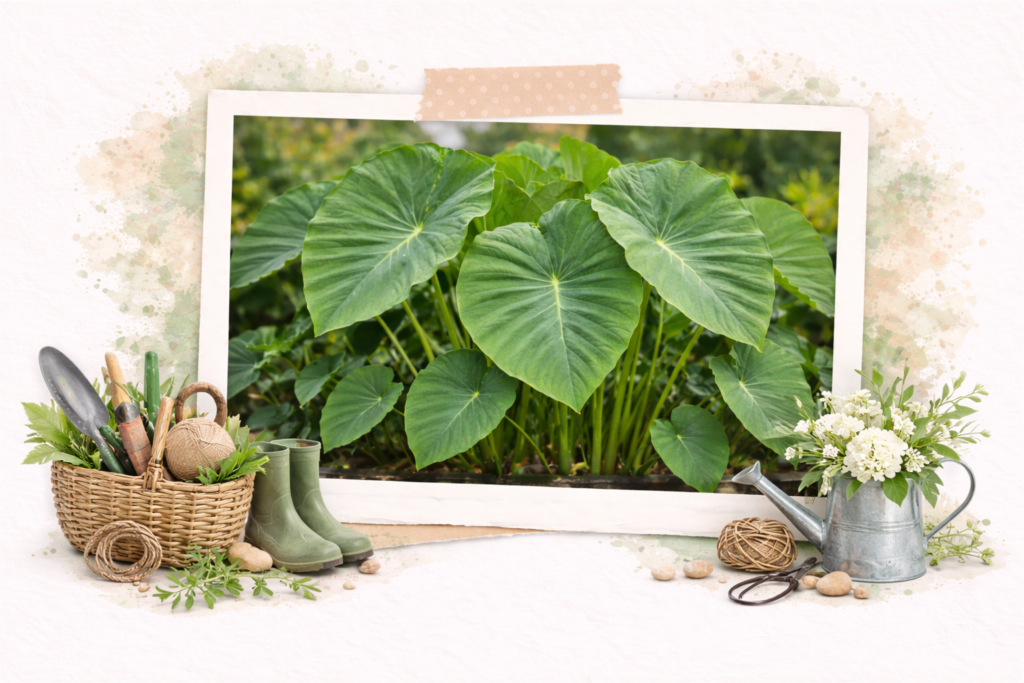
light: part sun to shade (2 to 6 hours, prefers morning sun and afternoon protection)
water: very high, soil should remain consistently damp
soil: rich, moisture-retaining
Elephant ear plants create structure and depth. Their success depends almost entirely on consistent moisture.
care details:
• water 3 to 6 times per week depending on heat
• apply mulch to stabilize moisture levels
• protect from harsh afternoon sun to prevent leaf scorch
placement: back or shaded side of garden beds
Crown of Thorns
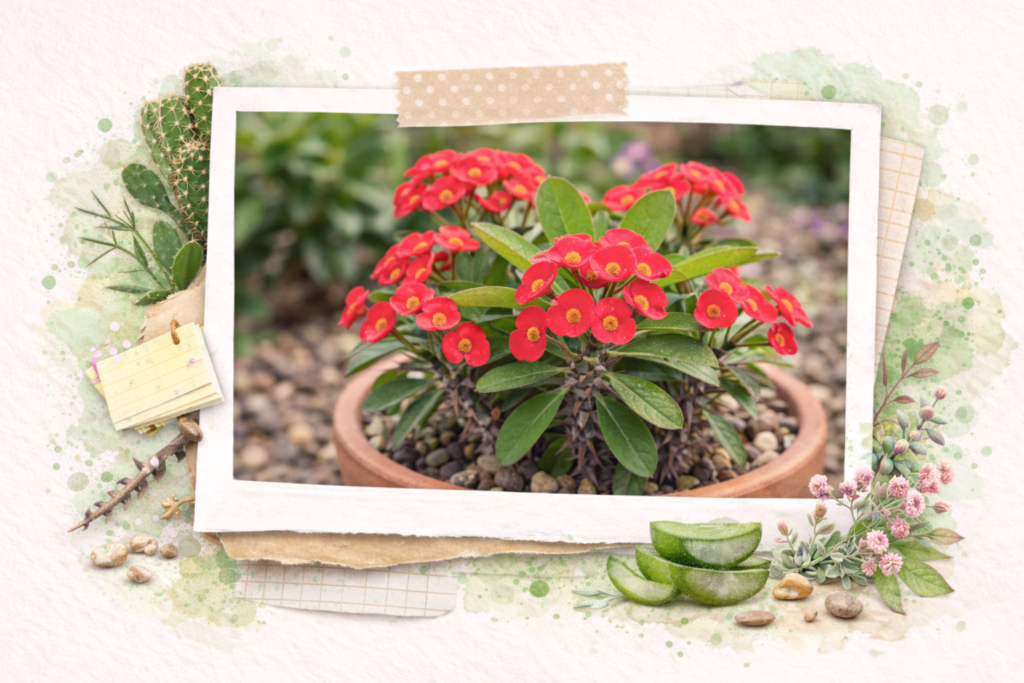
light: full sun (6 to 8+ hours, can tolerate intense Texas sun)
water: low, let soil fully dry between watering
soil: cactus or succulent mix, very fast draining
Crown of thorns looks delicate because of the flowers, but it behaves like a succulent. It thrives in heat, sun, and neglect more than constant care.
care details:
• water every 1 to 2 weeks depending on heat and dryness
• in cooler months, reduce to every 2 to 3 weeks
• do not keep soil consistently moist
• sap is toxic and can irritate skin, handle carefully
what people get wrong:
• overwatering (this is the #1 reason it dies)
• planting it with moisture-loving plants like canna or elephant ear
placement:
• pots or a dedicated dry section of your garden
• full sun areas where other softer plants might struggle
Azalea
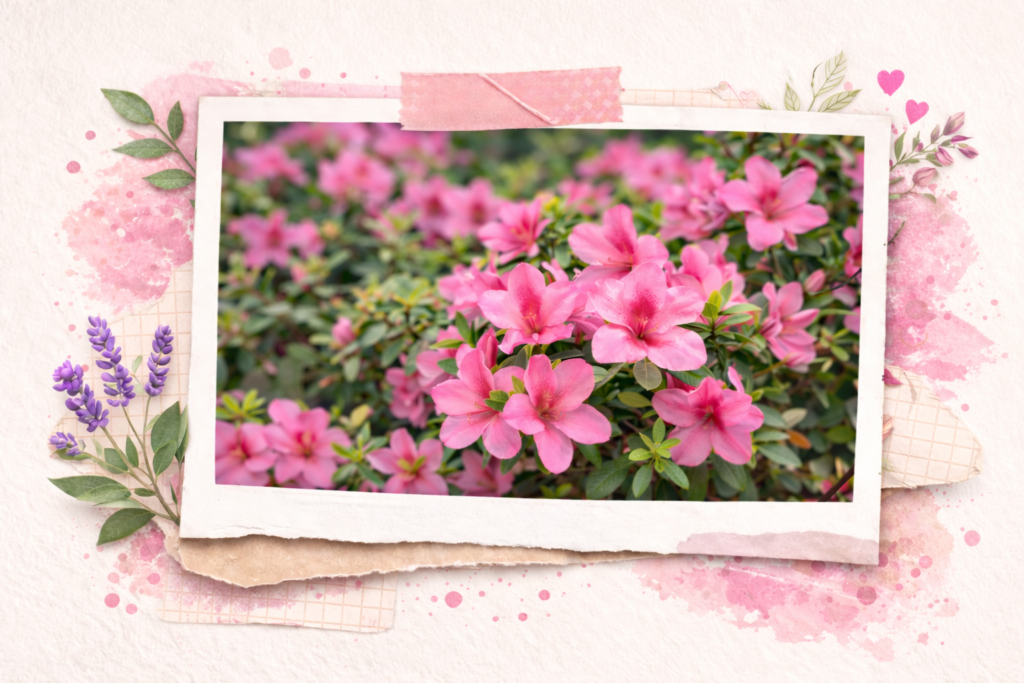
light: part shade (2 to 4 hours, morning sun preferred)
water: moderate, consistent moisture
soil: acidic, well draining
Azaleas add fullness and softness but require the right light balance to avoid stress.
care details:
• keep soil evenly moist, not saturated
• apply mulch to regulate moisture and temperature
• avoid direct afternoon sun exposure
placement: filtered light areas, edges of shaded zones
Begonia
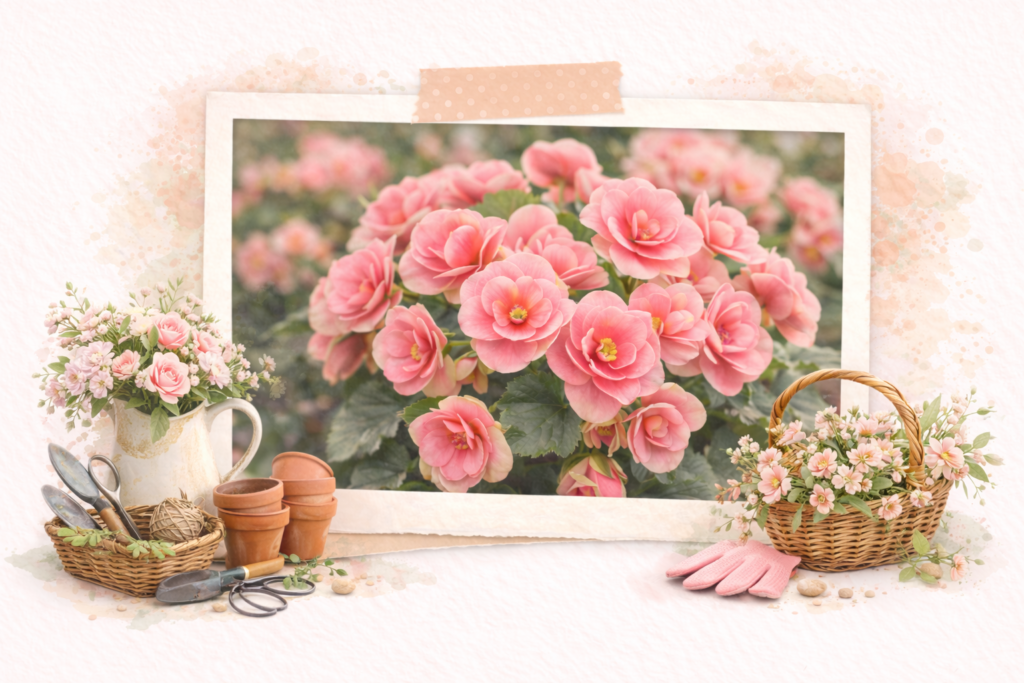
light: shade to part shade (0 to 3 hours of direct sun)
water: light to moderate
soil: well draining
Begonias are reliable for adding color in lower-light conditions where other flowers struggle.
care details:
• water when the top inch of soil feels dry
• avoid overwatering or soggy soil
• performs well in both beds and containers
placement: borders, shaded beds, under taller plants
Aloe Vera
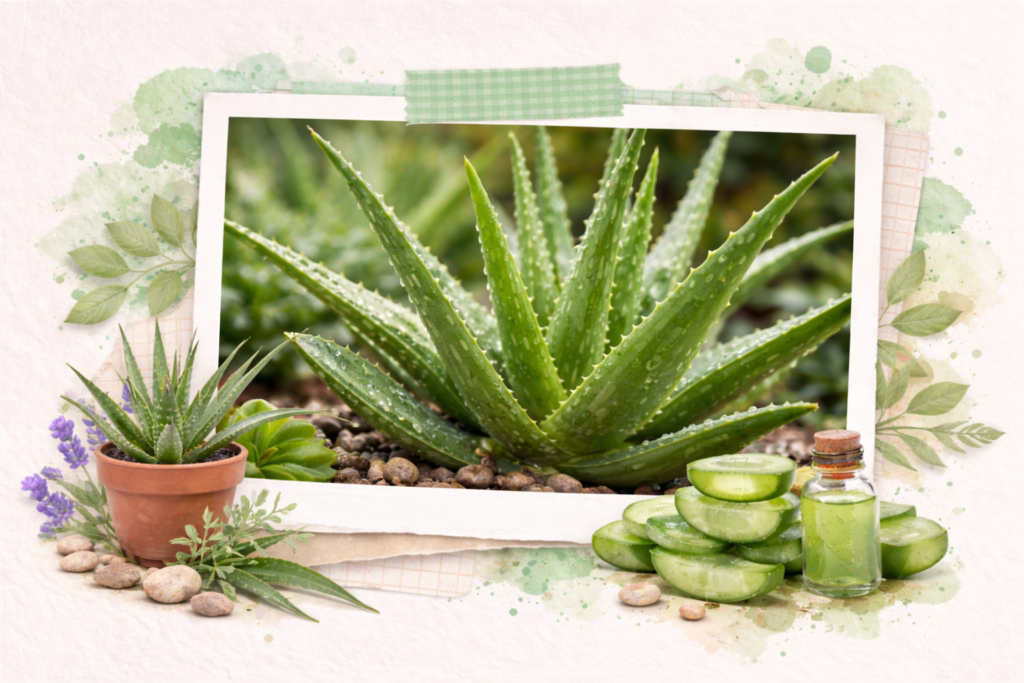
light: full sun (6 to 8+ hours)
water: low
soil: sandy or cactus mix, fast draining
Aloe vera is highly resilient but requires restraint in watering.
care details:
• water every 2 to 3 weeks, only when soil is fully dry
• avoid any standing moisture
• performs best in containers or controlled dry zones
placement: pots or separate dry beds away from moisture-heavy plants
Aloe Juvenna
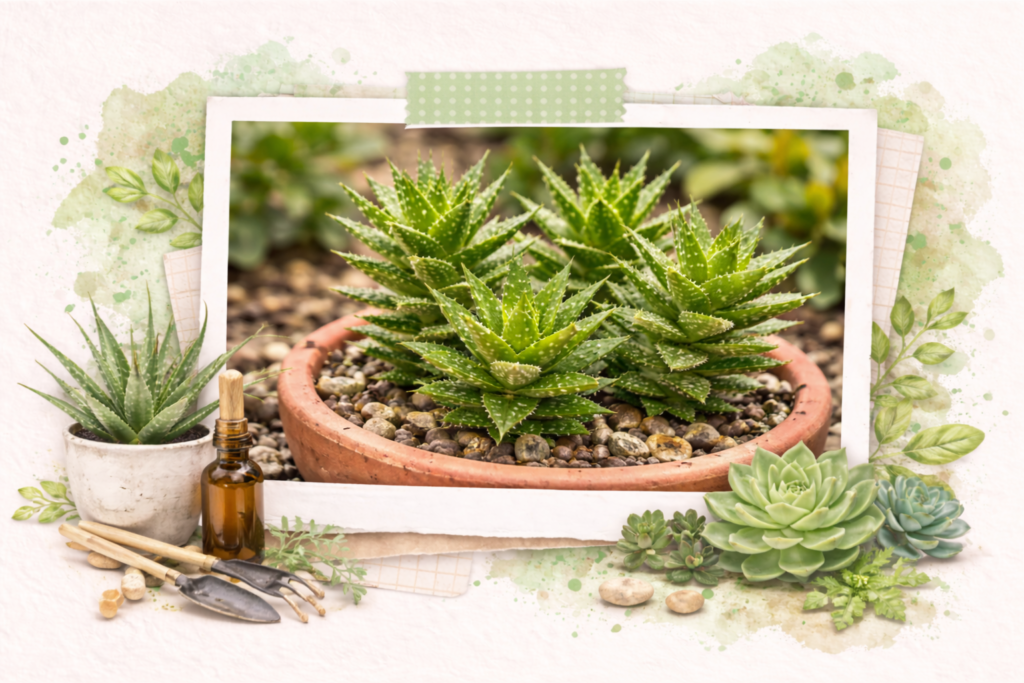
light: full sun to bright light (4 to 8 hours)
water: low
soil: fast draining
Aloe juvenna adds texture and fills space effectively without requiring much attention.
care details:
• water every 2 to 3 weeks once soil is dry
• thrives in drier conditions with minimal intervention
placement: edges, containers, or succulent groupings
Mother of Thousands
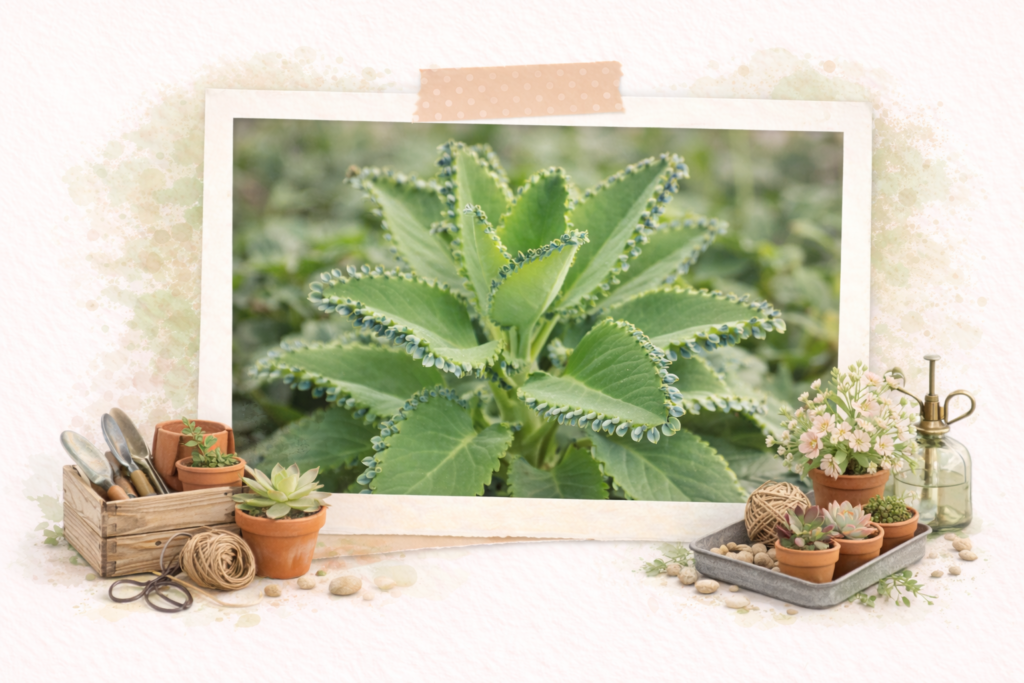
light: bright light to full sun (4 to 8 hours)
water: low
soil: well draining
This plant is fast-growing and self-propagating, making it both interesting and important to manage.
care details:
• water every 2 to 3 weeks when soil is fully dry
• control spread by keeping in containers if needed
placement: isolated areas or pots
Plant Pairing Strategy
Grouping plants by water and light needs simplifies everything.
moisture group
canna lily, elephant ear
partial shade group
azalea, begonia
dry group
aloe vera, aloe juvenna, mother of thousands
sun and airflow group
roses, gerbera daisies
Trusted Layout
back layer
canna lily, elephant ear
middle
roses in full sun, azalea in partial shade
front
gerbera daisies, begonias
edges or containers
aloe and succulents
A garden becomes easy when you stop treating all plants the same.
When light, water, and placement are aligned, plants stop struggling and start growing the way they’re supposed to.
That’s when a garden shifts from something you manage to something you actually enjoy being in.
